


The Wisenet Camera Series, Explained
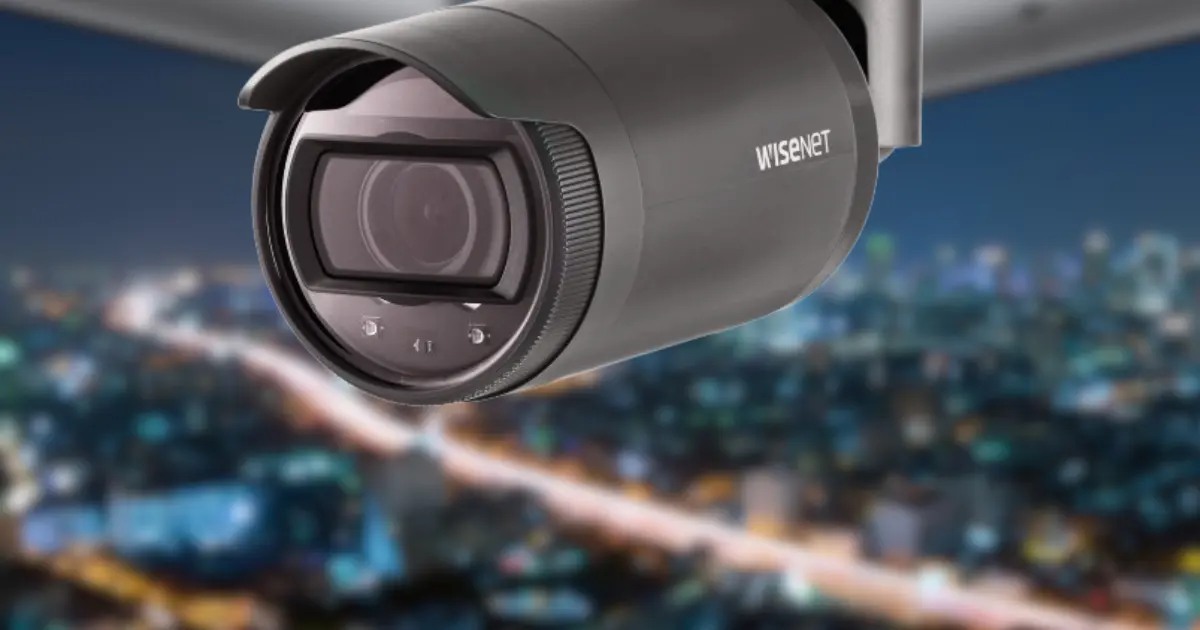
Hanwha Vision (formerly Hanwha Techwin, and before that Samsung Techwin) organizes its Wisenet cameras into clearly tiered series. Knowing the series is the fastest way to read a model's capability, and it's the foundation of any good camera design.
The five series
- A series — cost-effective essentials. Camera and NVR solutions with the core functionality professionals need, for budget-conscious general surveillance.
- Q series — small-to-mid-size applications. Sharp imaging with H.265 compression, intelligent video analytics, Wide Dynamic Range, built-in IR, and WiseStream bandwidth reduction. The everyday workhorse for retail, banking, and offices.
- P series — premium performance. Advanced AI cameras (second-generation P runs the Wisenet 9 chipset) for demanding professional installations.
- X series — high-performance flagship. 4K resolution, eXtreme WDR, and 100% lens distortion correction on Hanwha's proprietary chipsets, with the strongest on-camera AI.
- T series — specialty and mission-critical. Thermal, explosion-proof, marine-rated, and up to 8K models for unique industrial and high-hazard environments.
Reading a model number
Wisenet model names follow a pattern: three letters, a dash, then four digits and sometimes suffix letters. The letters encode camera type (dome, bullet, box, PTZ) and capability, so an installer can infer a camera's form and features from its name alone.
Why it matters
Specifying the correct series prevents the two most common design mistakes — over-buying flagship cameras for routine coverage, or under-buying budget cameras for a scene that demands WDR and AI. PDI's job is matching tier to scene, and the series structure makes that decision legible.
Join the homes and businesses that trust PDI for security.


