


Smart Locks and Home Access Control: Convenience Without Compromise
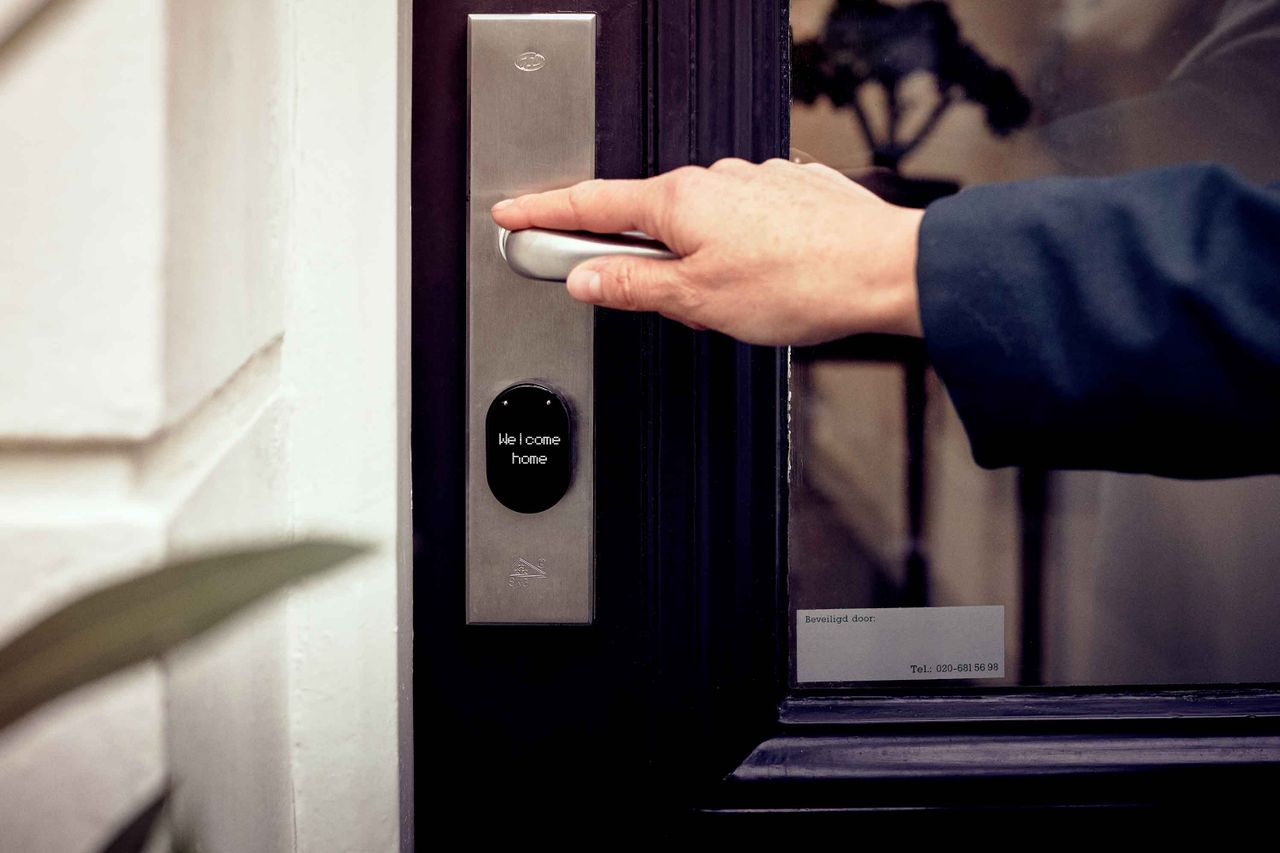
Keyless entry has moved from luxury to mainstream, and for good reason. Smart locks let you stop hiding keys under doormats, grant temporary access to a house sitter or contractor, and know whether the door is actually locked from anywhere. But convenience features can introduce new risks if chosen and configured carelessly. Here's how to get the benefits without the downsides.
What smart locks actually solve
The traditional house key has real weaknesses. Keys get copied without your knowledge, lost keys mean rekeying, and a hidden spare is the first thing an experienced intruder looks for. Smart locks address these directly. You can issue unique codes to family members, your dog walker, or a cleaning service, then revoke any one of them instantly without affecting the others. Many systems log every entry, so you know who came and went and when.
The features that matter
Unique user codes are the core benefit. Give each regular visitor their own code rather than sharing one. If a relationship changes or a code is compromised, you remove just that code.
Temporary and scheduled access lets you grant a contractor entry only during working hours on the days they're scheduled, then have it expire automatically.
Auto-lock closes the most common human error: forgetting to lock up. A lock that secures itself after a set interval eliminates that gap.
Activity logs and alerts turn your lock into a sensor. You can be notified when a child arrives home from school or when the door is opened at an unexpected hour.
Where smart locks need backup
A smart lock is still only as strong as the door and frame it's installed in. The most sophisticated electronic lock provides no protection if the door can be kicked in beside it, because the failure point is the frame, not the lock. Reinforced strike plates, solid-core doors, and quality deadbolt hardware remain essential. The electronics add convenience and visibility; the physical hardware does the actual holding.
Battery power is another consideration. Smart locks run on batteries, and a dead battery shouldn't lock you out. Choose models with low-battery warnings and a reliable physical or backup method of entry, and replace batteries proactively rather than waiting for failure.
Connectivity and account security
Because smart locks connect to an app and often to your home network, the security of your accounts now matters to your physical security. Use a strong, unique password for the lock's app, enable two-factor authentication if offered, and keep the lock's firmware updated. Treat the app login with the same seriousness you'd give the key itself, because functionally it is the key.
Integrating with your broader system
Smart locks deliver the most value when they work alongside your other security layers. A lock that communicates with your alarm system can automatically arm the system when the last person leaves and the door locks, or trigger lights and cameras on entry. This integration is where access control stops being a standalone gadget and becomes part of a coordinated home security strategy.
A measured recommendation
Smart locks are a genuine upgrade for most homes, provided they're installed in a properly reinforced door and managed with attention to account security. If you're adding them, it's worth doing so as part of a wider plan rather than as an isolated purchase, so the lock reinforces the rest of your defenses instead of standing alone.
Protecting Life and Property Since 1964. Contact PDI Security Systems to integrate smart access control into your home system.
Join the homes and businesses that trust PDI for security.


