


Outdoor Lighting: Your Most Underrated Security Tool
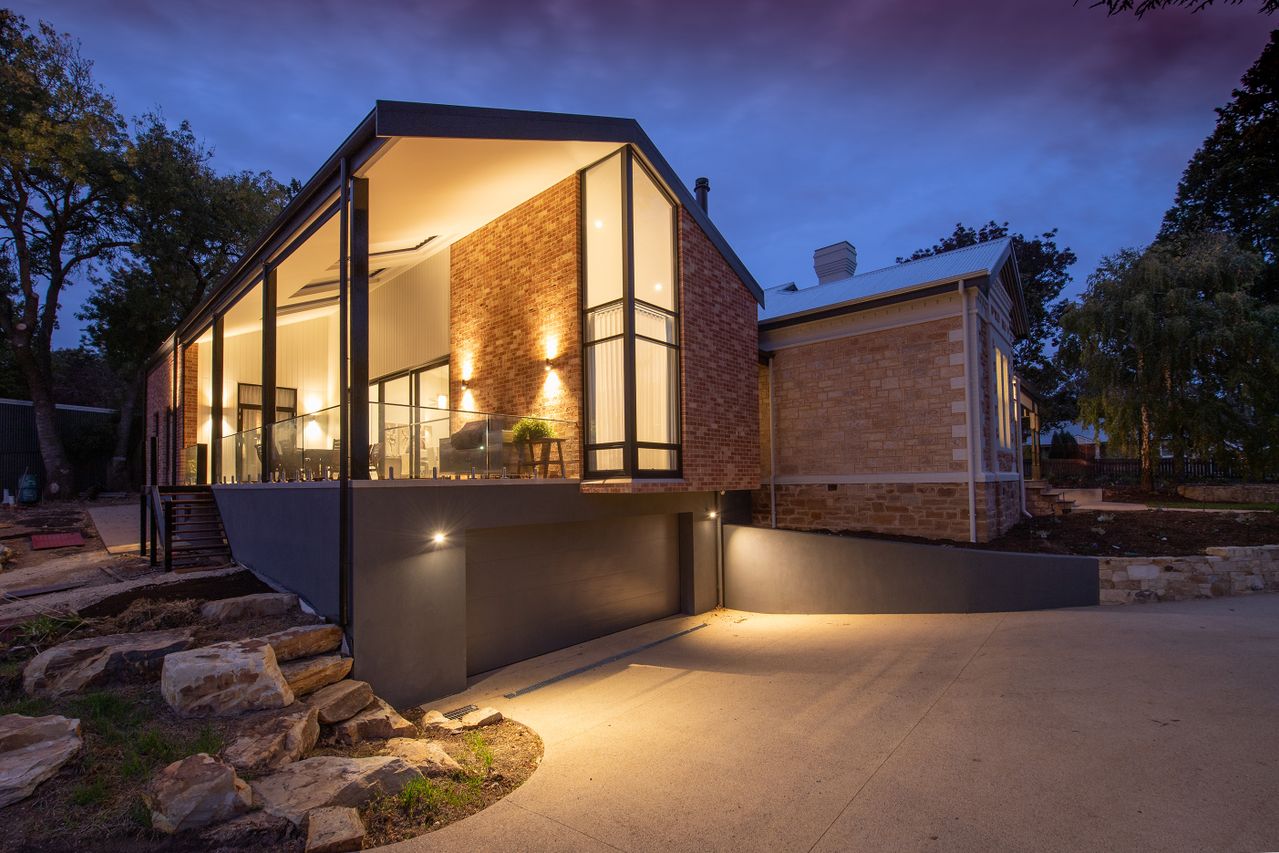
Lighting rarely makes the highlight reel when people talk about home security, but it's one of the most cost-effective deterrents available. Intruders rely on darkness for concealment, and a well-lit property removes their cover while making your cameras far more effective. The challenge is that lighting only works when it's done thoughtfully. Poorly placed lights can actually create the shadows an intruder needs.
Why lighting deters
Most opportunistic intruders avoid being seen. A property where they would be brightly illuminated while approaching a door or window is simply riskier for them than a darkened one next door. Lighting works on the same psychology as a visible camera: it raises the chance of being noticed and identified, which is exactly what an intruder wants to avoid.
Lighting also serves your safety directly. A well-lit path, porch, and driveway reduce trips and falls, help you see who's at the door before you open it, and make your home more welcoming to legitimate visitors.
Motion-activated versus continuous
Both have a role, and the best approach often combines them.
Motion-activated lights are attention-grabbing. A light that suddenly snaps on as someone approaches is startling and signals that movement was detected. They're energy-efficient and ideal for side yards, back entries, and other areas where sudden illumination is most jarring to an intruder.
Continuous or dusk-to-dawn lighting provides steady, predictable coverage of key areas like the front entry and street-facing approach. It eliminates the dark gaps that motion lights leave between activations and ensures cameras always have usable light. A low level of constant lighting paired with brighter motion activation gives you the best of both.
Where to put lights
Prioritize the points an intruder would actually use:
- All entry doors, front, back, and side
- Ground-floor windows, especially those hidden from the street
- The driveway and garage, including the path between them and the house
- Dark corners and blind spots along the perimeter
- Pathways and steps, for both security and safety
Aim to eliminate deep shadows where someone could wait unseen. Walk your property after dark to find these spots; they're rarely where you'd expect.
Common mistakes to avoid
Over-bright, poorly aimed lights create harsh shadows and can blind your own cameras. Aim for even, downward-directed illumination rather than a single glaring floodlight.
Lighting that's easy to disable. Fixtures within easy reach can be unscrewed or smashed. Mount them high and protect bulbs where practical.
Ignoring the front of the house because it already gets streetlight. Streetlights are unreliable and often leave the actual entry in shadow.
Light pollution toward neighbors. Shield fixtures so they illuminate your property without flooding a neighbor's bedroom window, which builds goodwill and avoids complaints.
Pairing lighting with cameras
Lighting and cameras are natural partners. Good illumination dramatically improves the quality of recorded footage, turning a vague dark shape into an identifiable image. When you plan camera placement, plan lighting at the same time so the two reinforce each other. A motion light that triggers at the same moment a camera begins recording is a powerful combination.
A simple upgrade with outsized returns
Of all the improvements you can make to a home's security, lighting offers some of the best value per dollar. It works around the clock, requires little maintenance, and makes every other layer of your security more effective.
Protecting Life and Property Since 1964. Contact PDI Security Systems to design lighting that works with your cameras.
Join the homes and businesses that trust PDI for security.


