


Home Safety Beyond Burglary: Fire, Environmental, and Emergency Preparedness
When people think about home security, they usually picture an intruder. But statistically, your home faces threats that have nothing to do with burglary: fire, smoke, carbon monoxide, water damage, and severe weather. A modern security system protects against all of these, and treating safety as a single integrated effort, rather than a patchwork of separate devices, gives you far more reliable protection.
Fire and smoke: the threat that moves fast
Fire spreads in minutes, and the difference between a manageable incident and a catastrophe is often how early it's detected. Standalone smoke detectors are essential, but they have a critical limitation: they only help if someone is home to hear them. A monitored smoke detection system signals a central station that can dispatch the fire department even when the house is empty or everyone is asleep.
Place smoke detectors on every level and in every sleeping area, test them regularly, and replace batteries on a schedule rather than waiting for the warning chirp. Detectors also have a service life and should be replaced periodically as a unit, not just re-batteried indefinitely.
Carbon monoxide: the invisible danger
Carbon monoxide is odorless and colorless, which makes it especially dangerous. It can come from heating systems, generators, attached garages, and fuel-burning appliances. Carbon monoxide detectors are a non-negotiable safety device, particularly near sleeping areas and on every level of the home. As with smoke detection, a monitored CO system can summon help if occupants are incapacitated and unable to act.
Environmental monitoring: water and temperature
Some of the most expensive home damage comes not from intruders but from water. A burst pipe, a failed water heater, or an overflow can cause thousands of dollars of damage before it's noticed. Water sensors placed near water heaters, washing machines, and under sinks can alert you to a leak immediately, often before significant damage occurs.
Temperature sensors serve a similar role, warning of a failed furnace in winter (which risks frozen, bursting pipes) or other conditions that threaten the home. These quiet sensors prevent disasters that no camera or lock ever could.
Severe weather and regional hazards
Your preparedness should reflect your region's specific risks. In areas prone to wildfire, extreme heat, winter storms, or power outages, your safety plan should account for evacuation, communication, and backup power. A security system with battery and cellular backup continues protecting your home even when the power and internet are down, which is precisely when many emergencies strike.
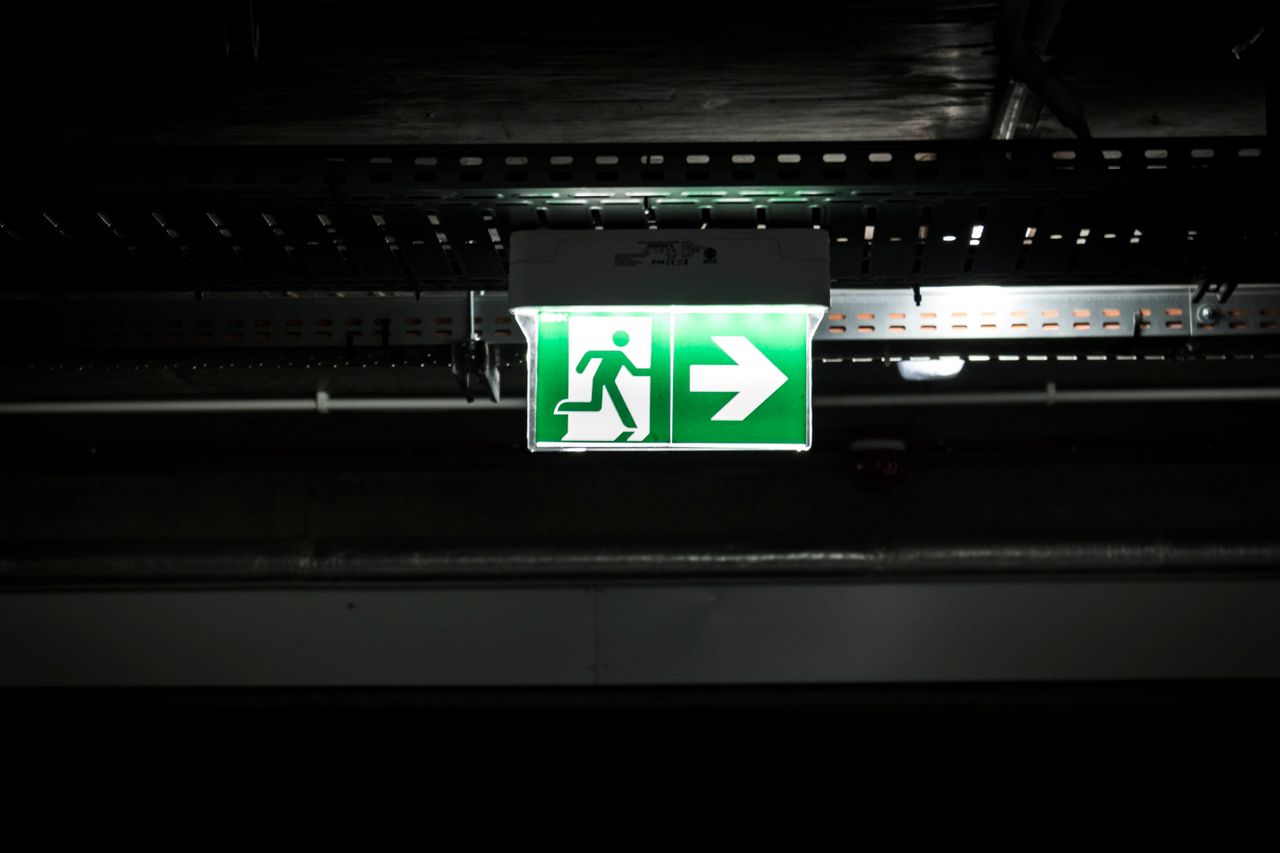
Keep an emergency plan that every household member knows: escape routes from each room, a meeting point outside, and a way to communicate if separated. Practice it. A plan that exists only on paper rarely works under stress.
The value of integration
The theme across all of these threats is integration. A system that combines intrusion, fire, carbon monoxide, and environmental monitoring under one monitored umbrella gives you coordinated protection and a single point of response. When a sensor of any kind triggers, the same central station that would dispatch police for a break-in can dispatch the fire department or alert you to a leak. You're not juggling separate apps and devices hoping each one works; you have one system watching for everything.
A simple readiness check
Once or twice a year, verify that every detector works, batteries are fresh, your emergency plan is current, and your system's backup power is functional. This short routine ensures that when something does go wrong, your protection responds as designed.
Protecting Life and Property Since 1964. Contact PDI Security Systems about integrated life-safety monitoring for your home.
Join the homes and businesses that trust PDI for security.


