


Hanwha Recorders & SolidEDGE
Recording is the unglamorous half of a video system, and getting it right — capacity, redundancy, and architecture — determines whether footage is there when it's needed.
Wisenet NVRs
Hanwha's network video recorders mirror the camera tiers. P-series recorders sit at the top with enterprise features including RAID 5/6 redundancy for fault tolerance, while Q-series recorders are compact starter units, typically under 16 channels, for small sites. Model names read like the cameras: an XRN-1610S, for example, is a 16-channel NVR with a built-in PoE switch (which powers the cameras directly), and an XRN-410S is a 4-channel unit. Matching recorder channel count, throughput, and storage to the camera load is core to a reliable design.
SolidEDGE — the serverless option
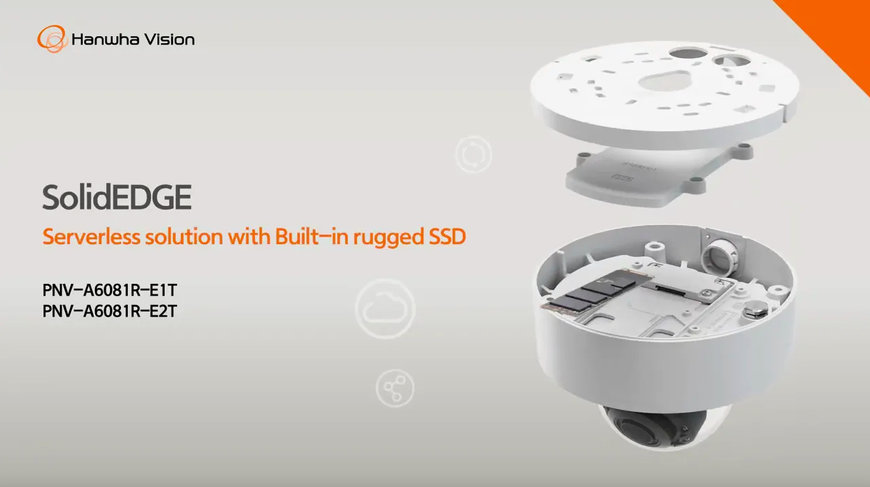
SolidEDGE is a distinctive approach: a camera with a built-in solid-state drive and an embedded Wisenet WAVE VMS server, eliminating the need for a separate recording appliance entirely. Models such as the PNV-A6081R-E1T/E2T record on board and are configured and viewed through the standard WAVE desktop and mobile clients. For small or distributed sites — a remote building, a small branch — SolidEDGE collapses camera, storage, and VMS into one device, simplifying both the bill of materials and the install.
Why it matters
The recording architecture should follow the site. Large, redundancy-critical sites want P-series NVRs with RAID; small or remote locations may be served better and more cheaply by SolidEDGE's all-in-one design. PDI's value is choosing the architecture that fits each customer rather than defaulting to one.
Join the homes and businesses that trust PDI for security.


