


Doors and Windows: Reinforcing Your Home's Weakest Points
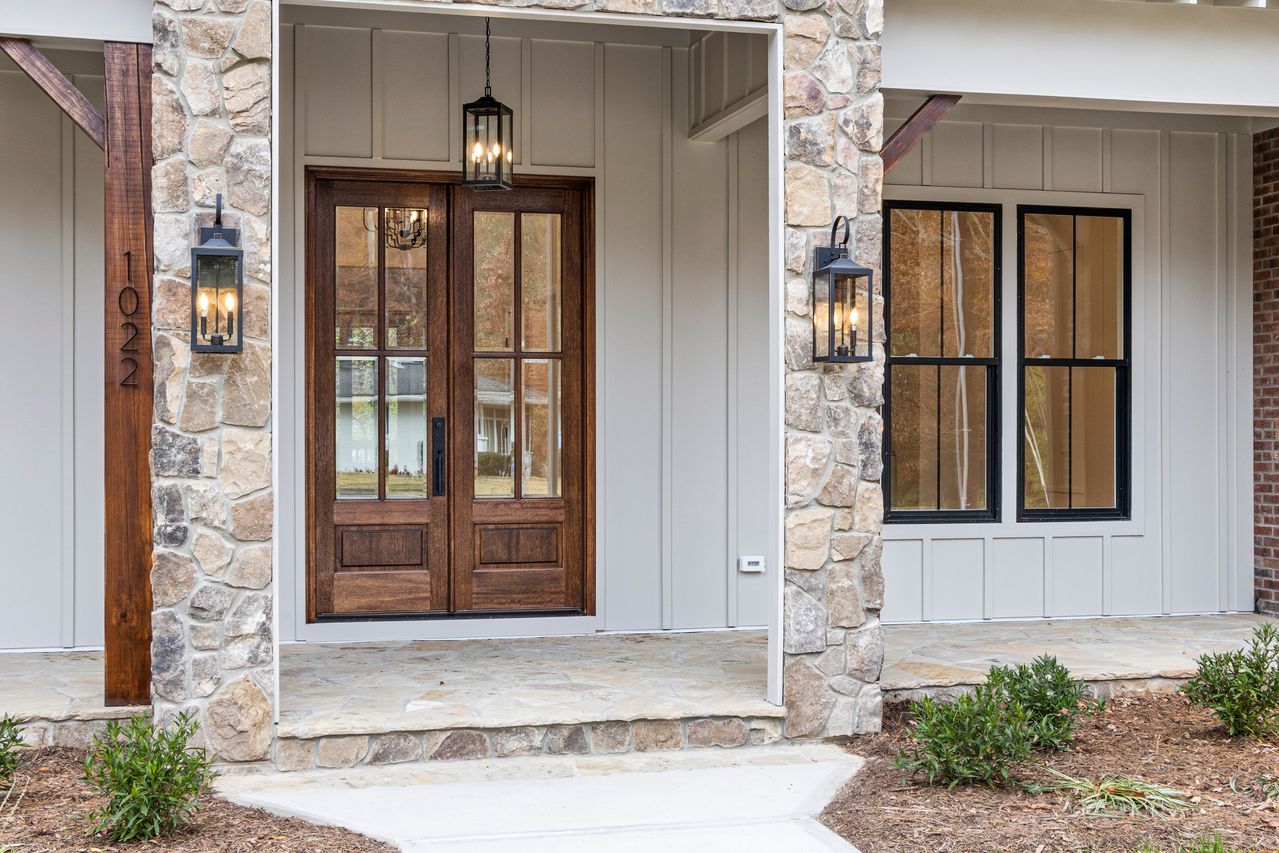
Intruders enter through the obvious places: doors and ground-floor windows. No matter how advanced your cameras or alarm, if a door can be kicked open in seconds or a window slides up with a flick, your defenses have a hole at their foundation. Reinforcing these entry points is among the most cost-effective security improvements you can make, and much of it is straightforward.
The front door starts at the frame
A common misconception is that the lock is the weak point. In reality, doors are most often defeated at the frame, where the strike plate is held by short screws into thin trim. A solid kick splits the wood and the door swings open with the lock still locked. The fixes are inexpensive:
- Upgrade the strike plate to a heavy-duty metal plate secured with long screws that reach the wall framing behind the trim, not just the door jamb.
- Use a quality deadbolt with a solid bolt that extends well into the frame.
- Choose a solid-core or metal door for exterior entries. Hollow-core doors offer little resistance.
- Reinforce the door edge and hinges with heavy hardware and longer hinge screws.
Together these turn a door that fails to one kick into one that resists repeated, noisy attempts, which is often enough to make an intruder give up.
Sliding glass doors need special attention
Sliding doors are a frequent vulnerability because their factory latches are weak and they can sometimes be lifted off their tracks. Add a secondary lock or a sturdy bar in the track to prevent the door from sliding open, and install hardware that stops the panel from being lifted out. Security film on the glass adds further resistance to forced entry.
Windows: the overlooked entry point
Ground-floor windows, especially those hidden from the street, are inviting to intruders. Strengthen them with:
- Secondary locks or pin locks that prevent the window from being opened even if the primary latch is forced or the glass is partly broken.
- Security film, a transparent layer that holds glass together when struck, turning a quick smash-and-enter into a slow, loud struggle.
- Sensors on accessible windows so any attempt to open them triggers your alarm.
Don't forget basement and garage windows, which are often forgotten precisely because they're out of sight.
Garage doors: the side entry
The garage is a common weak point because it connects to the house and is sometimes left unsecured. Keep the door between the garage and the home as well-protected as any exterior door, with a solid door and a deadbolt. Secure the overhead garage door's emergency release so it can't be tripped from outside, and never leave the garage door opener visible in a parked car.
Reinforcement supports your alarm, not the reverse
Reinforced entry points and an alarm system work together. Reinforcement provides delay, the precious seconds that turn a silent break-in into a prolonged, noisy attempt. Sensors provide detection, alerting you and your monitoring station the instant an attempt begins. The combination means an intruder is both slowed down and exposed, which is far more than either provides alone.
Start with the weakest link
You don't need to reinforce everything at once. Walk your home and identify the single weakest entry point, often a sliding door, a hidden window, or a hollow door with a flimsy strike plate, and address it first. Then work outward. Each fix is modest, but together they remove the easy openings that most intrusions depend on.
Protecting Life and Property Since 1964. Contact PDI Security Systems for a free assessment of your home's entry points.
Join the homes and businesses that trust PDI for security.


