


Securing Common Areas and Shared Amenities
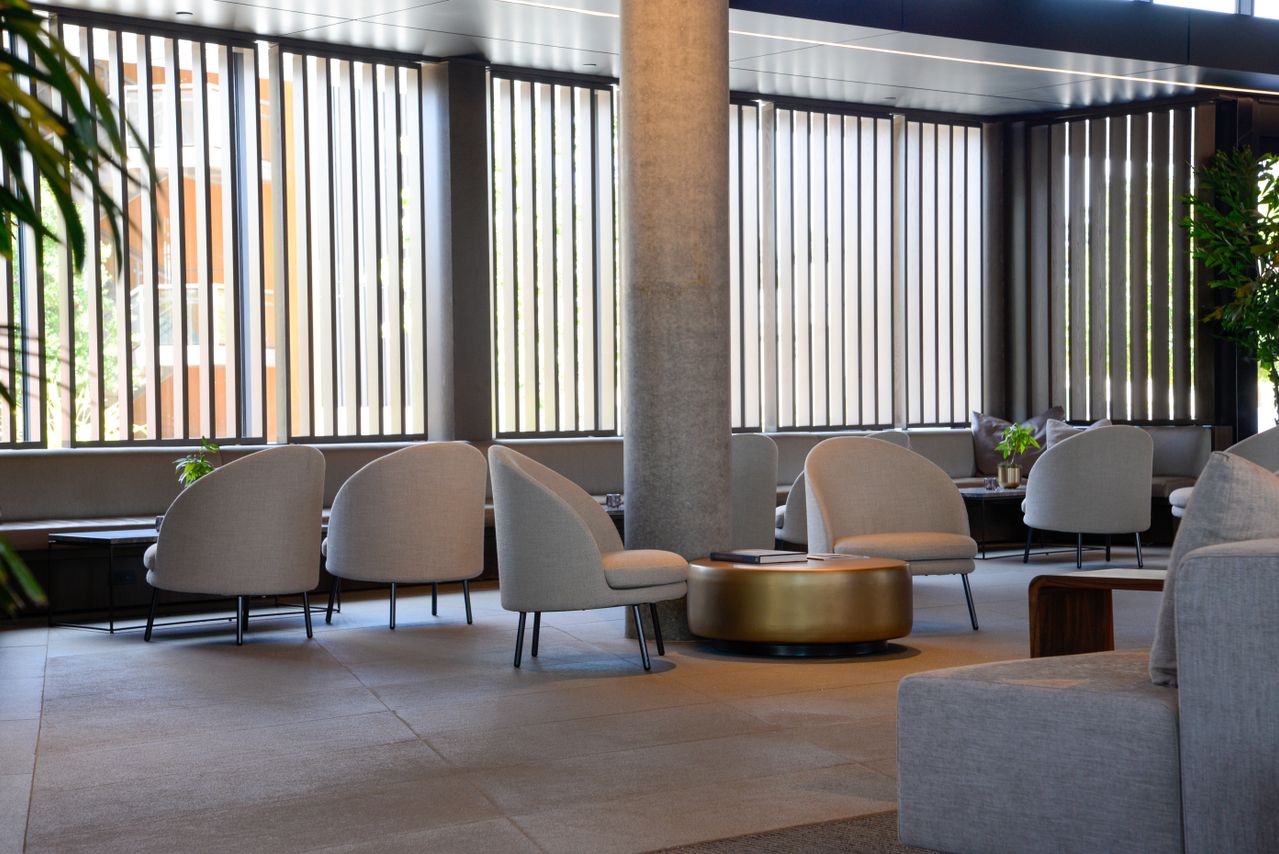
Common areas are the parts of a property that everyone uses and no single tenant owns: lobbies, hallways, elevators, fitness centers, conference rooms, lounges, rooftop spaces, and mailrooms. They're central to a property's appeal, but they pose a distinctive security challenge precisely because they're shared. They must be welcoming and accessible to the people who belong there while remaining controlled against those who don't. Getting that balance right is a core part of managing a property well.
The shared-space dilemma
A common area's value comes from being open and convenient, but openness is also a security weakness. A lobby that flows freely is pleasant for tenants and a potential entry path for anyone. A fitness center available around the clock is a tenant amenity and an unsupervised space at 2 a.m. The task isn't to lock everything down, which would defeat the purpose, but to apply the right level of control to each space based on its use and risk.
Match control to each space
Different common areas warrant different approaches:
- Lobbies and entrances are the property's front line. Controlled entry, video coverage, and, in higher-traffic properties, a staffed or virtual reception presence establish who enters the building in the first place.
- Amenity spaces like fitness centers, lounges, and conference rooms benefit from credentialed access, so only tenants (and their guests, where appropriate) can use them, often within set hours. Access control here also creates accountability for the space's condition and use.
- Circulation areas, hallways, elevators, stairwells, are best protected through video coverage and good lighting, since they're transit spaces where problems should be detected and documented.
- Mailrooms and package areas need particular attention given the theft risk, combining access control with video coverage.
Video coverage of shared spaces
Common areas are well suited to video surveillance because activity there is, by nature, not private in the way a tenant's own space is. Cameras in lobbies, amenity rooms, hallways, and package areas deter misconduct, document incidents and disputes, and support investigations. Coverage should respect genuine privacy expectations, areas like restrooms are off-limits, while protecting the shared spaces where the property bears responsibility.
Access control for accountability
Beyond keeping unauthorized people out, access control of amenity spaces creates accountability. When entry to a fitness center or conference room is credentialed and logged, you know who used the space and when, which helps with everything from resolving a damage question to managing capacity and hours. It also reassures tenants that shared amenities are reserved for those entitled to them, which is part of what they're paying for.
Lighting and upkeep matter
As with parking areas, lighting and maintenance quietly shape common-area security. Well-lit, clean, well-maintained common areas are both safer and perceived as safer; they signal that the property is attentively managed, which itself deters problems. Neglected, dim spaces invite the opposite. Routine upkeep is therefore part of your security posture, not separate from it.
Balancing tenant experience and security
The throughline in common-area security is balance. Tenants chose your property partly for its accessible, welcoming shared spaces, and security shouldn't make those spaces feel like a checkpoint. The goal is protection that's largely invisible in daily use, controlled but smooth access, unobtrusive cameras, good lighting, while remaining effective. Done well, tenants experience convenience and safety together, which is exactly what strengthens tenant satisfaction and retention.
An integrated, right-sized plan
Effective common-area security comes from a plan that's tailored space by space and integrated across the property, rather than a uniform approach applied everywhere. A professional assessment maps each shared space to the appropriate level of control, then ties it all into the property's broader access, video, and monitoring systems for coherent, manageable protection.
Protecting Life and Property Since 1964. Contact PDI Security Systems to secure your property's common areas and amenities.
Join the homes and businesses that trust PDI for security.


