


Choosing Home Security Cameras: A Practical Buyer's Guide
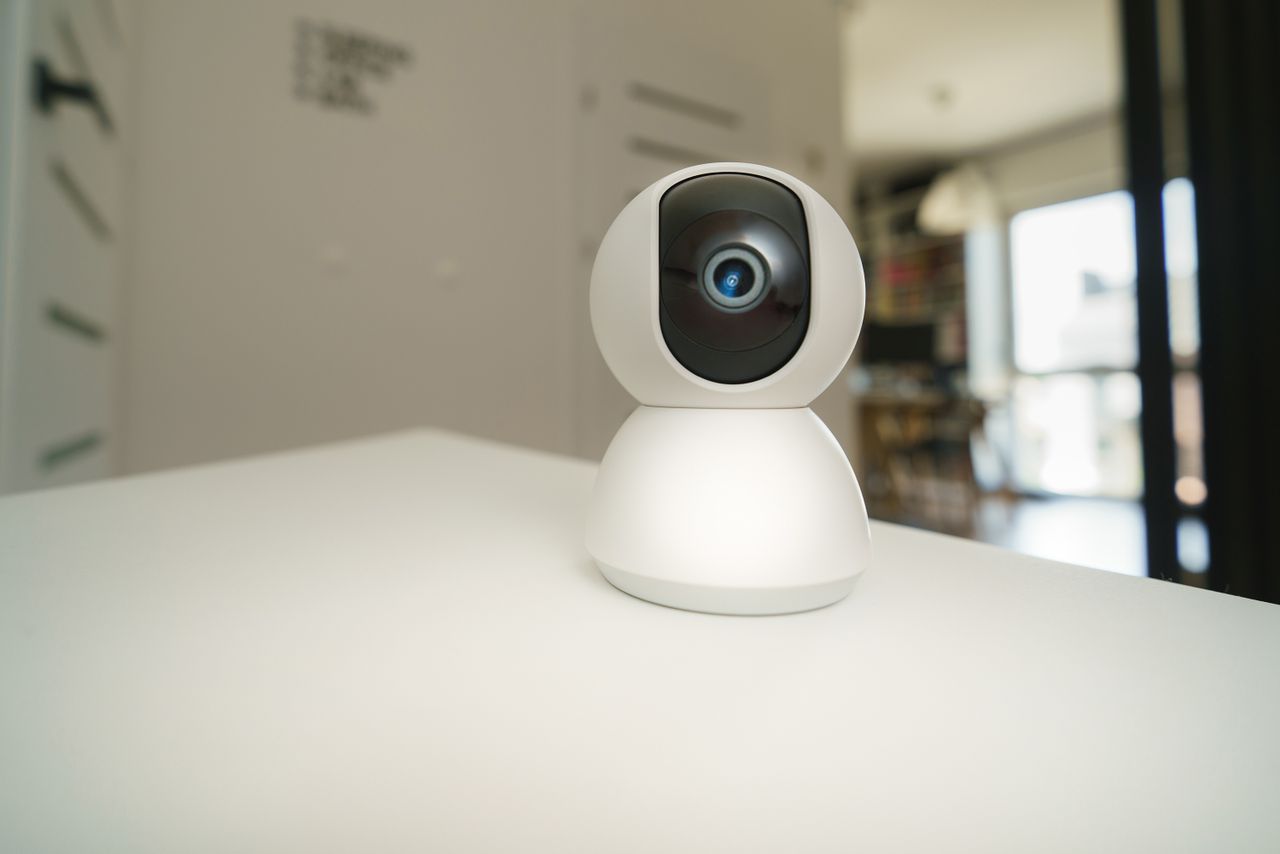
A camera that records grainy, unusable footage is worse than no camera at all, because it gives a false sense of security. The good news is that choosing effective cameras isn't complicated once you understand the handful of factors that actually matter. This guide cuts through the marketing to focus on what makes a camera useful when you need it.
Resolution: enough to identify, not just notice
Marketing emphasizes ever-higher resolution numbers, but the practical question is whether footage can identify a face or a license plate, not just confirm that "someone was there." For most home applications, a sharp image at a sensible field of view matters more than the raw pixel count on the box. A camera mounted too far from the entry it watches will produce small, unidentifiable figures regardless of its resolution rating. Match the camera's coverage to the distance and detail you actually need.
Placement beats quantity
Four cameras in the right places outperform eight in the wrong ones. Prioritize these locations:
- Front entry, positioned to capture faces of anyone approaching the door
- Back and side doors, which are common entry points precisely because they're less visible
- Driveway and garage, where vehicles and packages are vulnerable
- First-floor windows that are hidden from the street
Mount cameras high enough to be out of easy reach but angled down enough to capture faces rather than the tops of heads. Avoid pointing cameras directly into the rising or setting sun, which can wash out images at exactly the wrong time of day.
Night vision and low light
The majority of residential intrusions and package thefts happen in low light or darkness. A camera's daytime image tells you little about its real value. Look for genuine low-light performance, and consider pairing cameras with motion-activated lighting, which both deters intruders and dramatically improves image quality.
Storage: where does the footage live?
Footage is only useful if you can retrieve it. Cameras generally store recordings locally (on a recorder or card at your home) or in the cloud (on a subscription service), and each has tradeoffs. Local storage keeps footage in your control and avoids monthly fees, but can be stolen along with the equipment. Cloud storage survives theft and is accessible from anywhere, but depends on your internet connection and a subscription. Many homeowners are best served by a combination.
Wired versus wireless
Wireless cameras are easy to install and reposition but depend on battery life and a strong signal. Wired cameras require more installation effort but deliver consistent power and reliability. For permanent coverage of key entry points, wired tends to be the more dependable long-term choice; wireless is excellent for filling gaps or covering locations where running cable is impractical.
A note on privacy
Aim cameras at your own property. Avoid pointing them into a neighbor's windows or yard, both out of courtesy and because some jurisdictions regulate this. Cameras covering shared spaces, like a duplex entry, deserve a quick conversation with anyone affected.
The bottom line
The best camera system is one designed around your specific property rather than bought off a shelf. A short walk-through with a professional often reveals coverage gaps and placement improvements that no spec sheet can.
Protecting Life and Property Since 1964. Contact PDI Security Systems for a free home camera assessment.
Join the homes and businesses that trust PDI for security.


