


Alarm Monitoring and After-Hours Protection for Your Business
A business is at its most vulnerable during the hours it's empty. Nights, weekends, and holidays are when break-ins, vandalism, and undetected emergencies are most likely, precisely because no one is there to notice. An alarm that simply makes noise into an empty building offers limited protection. What turns an alarm into real protection is monitoring: a system that ensures every alert brings a response, no matter the hour.
The gap an unmonitored alarm leaves
An unmonitored alarm relies on someone, a passerby, a neighbor, or you, hearing it and acting. In practice, that often doesn't happen. A siren in an empty commercial district at 3 a.m. may go entirely unnoticed, or be ignored as a false alarm. By the time anyone discovers the break-in, the intruder is long gone and the loss is done. Monitoring closes this gap by guaranteeing that a trained operator receives and acts on every signal.
How professional monitoring works
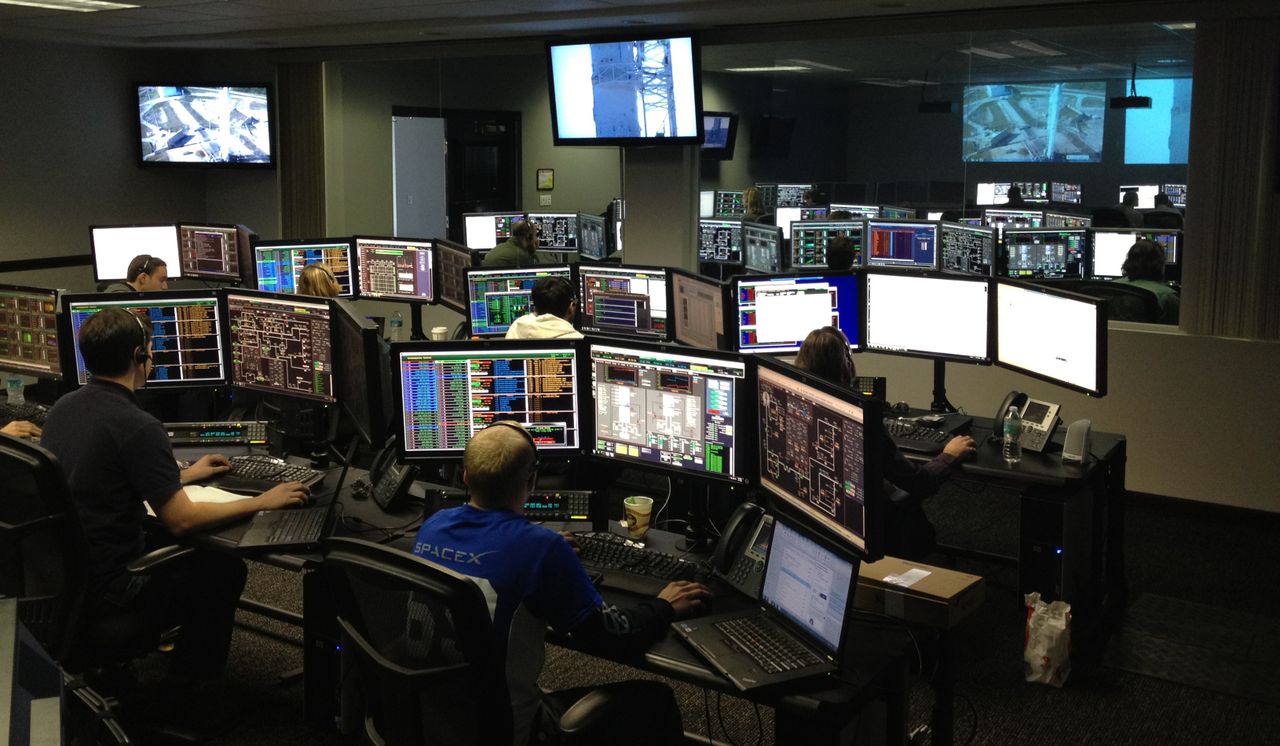
When a sensor triggers, the signal travels to a staffed central monitoring station. Operators follow established protocols: they verify the alarm, attempt to contact you or your designated responders, and dispatch police, fire, or other responders as the situation requires. This happens whether you're asleep, traveling, or simply away from your phone. The result is a coordinated, timely response that an unmonitored system can't provide.
Beyond burglary
Monitoring isn't only for intrusion. A monitored system can also respond to fire and smoke detection, dispatching the fire department to a closed building before a small fire becomes a total loss. It can flag environmental problems like a burst pipe flooding your stockroom over a weekend, or a freezer failure threatening perishable inventory. These after-hours emergencies can be just as costly as theft, and detecting them early is often the difference between a minor incident and a major one.
Reliability matters
For monitoring to protect you, the connection between your system and the central station must be dependable. Systems with cellular and battery backup continue to communicate and operate even if power is cut or phone and internet lines are down, which is significant because cutting these is a known tactic and because outages often accompany the very storms and emergencies when protection matters most. When evaluating monitoring, the resilience of the communication path is as important as the sensors themselves.
Managing false alarms
False alarms are a legitimate concern, both for the disruption they cause and because some jurisdictions impose penalties for repeat occurrences. A well-designed and properly maintained system, combined with good staff training on arming and disarming procedures, keeps false alarms to a minimum. Verification practices, such as confirming an alarm via video before dispatch, can further reduce unnecessary responses while ensuring genuine threats are acted on quickly.
Define your response plan
Monitoring works best when paired with a clear response plan. Keep your list of emergency contacts and authorized responders current, so the central station can reach the right people. Decide in advance who should be notified, who can authorize disarming, and what should happen in various scenarios. When an alarm triggers at 2 a.m., everyone involved should already know their role.
Closing thought
The hours your business is closed are the hours it most needs watching. Professional monitoring ensures that during those hours, someone is always paying attention and ready to respond, turning your alarm from a noisemaker into genuine, around-the-clock protection.
Protecting Life and Property Since 1964. Contact PDI Security Systems to learn about 24/7 monitoring for your business.
Join the homes and businesses that trust PDI for security.


